


The Role of Luck in Gambling
Luck is an intriguing aspect of gambling that continues to fascinate players and researchers alike. In the context of a casino, luck often refers to the unpredictable outcomes of games, such as slot machines, roulette, and card games. These games are designed with built-in randomness, and while players can apply strategies, the element of luck remains dominant. For instance, a player might feel that their lucky charm or a specific betting pattern increases their chances of winning, yet the reality is that statistical probabilities predominantly govern the games, especially in a fast withdrawal casino where quick payouts can enhance the experience.
The belief in luck can significantly impact a gambler’s mindset. Some individuals may attribute their wins to good fortune, reinforcing the idea that luck plays a crucial role in casino success. Conversely, during a losing streak, players might feel overcome by bad luck, leading to frustration and potentially destructive gambling behavior. This cycle highlights the psychological influence that luck has on gambling experiences and decision-making at casinos.
Ultimately, while luck undeniably plays a role in the short term, it is essential to recognize the long-term odds that shape outcomes over time. Casino games are meticulously engineered to ensure that the house always has a mathematical advantage. In games of pure chance, like slots, luck is all there is; however, in games that involve skill, such as poker, players can influence their outcomes through their choices and expertise, demonstrating that while luck matters, skill is also vital.
Understanding Casino Odds
Every casino game comes with its own set of odds that define a player’s chances of winning. These odds are calculated based on the statistical likelihood of various outcomes occurring, and they are critical for players to understand when gambling. For example, a game like blackjack offers better odds for players compared to games like slots due to the element of strategy involved. Players who are knowledgeable about the game can make informed decisions, potentially minimizing losses and maximizing potential wins, which can seem like a stroke of luck.
Moreover, each game is subject to the house edge, which is the casino’s built-in advantage over the players. This edge varies from game to game, and understanding it is crucial for anyone looking to succeed in a casino. The house edge ensures that while players may win in the short term, over an extended period, the casino is likely to emerge victorious. For instance, the house edge in American roulette is higher than in European roulette, meaning players face greater odds of losing over time in the former.
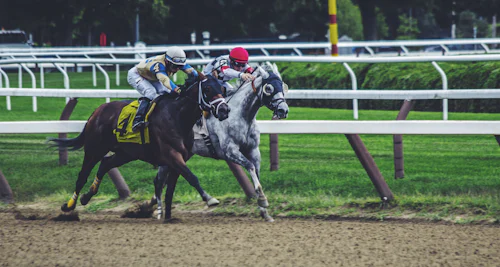
Thus, while luck can influence a single game outcome, understanding the odds and house edge can empower players to make strategic decisions that can lead to more favorable results. A savvy gambler knows that relying solely on luck is a risky proposition; instead, they complement their luck with knowledge and understanding of the game dynamics, which ultimately improves their chances of success.
The Illusion of Control
Many gamblers experience what is known as the illusion of control, where they believe they can influence the outcome of a game through specific actions or rituals. This belief can lead players to think that their luck can be manipulated or enhanced by certain behaviors. For instance, some players may always wear their “lucky” clothes or follow a specific routine when playing their favorite games, attributing their successes to these practices, even when the results are purely random.
This psychological phenomenon can be particularly strong in games of chance. Players might engage in superstitions or rituals in hopes of improving their luck, such as blowing on dice before rolling or choosing specific numbers based on personal significance. While these actions can provide players with a sense of control and make the experience more enjoyable, it is essential to remember that they do not actually impact the odds or outcomes of the games.
The illusion of control can lead to both positive and negative consequences. On one hand, it can enhance the entertainment value of gambling, allowing players to feel more engaged in the experience. On the other hand, it can lead to poor decision-making and increased risks, as players might continue to gamble in pursuit of that elusive “lucky streak.” Awareness of this psychological effect can help gamblers approach their play more mindfully, recognizing that while luck does play a role, it should not dictate their betting habits or emotional well-being.
Luck Versus Skill: Finding the Balance
In the world of casinos, the intersection of luck and skill is a topic of much debate. Certain games, such as slots and roulette, are primarily luck-based, where players have little to no control over the outcome. In contrast, games like poker and blackjack require a degree of skill, strategy, and psychological insight. This distinction raises questions about how players can balance their reliance on luck with the necessity of developing skills to be successful in these environments.

For players who enjoy skill-based games, honing one’s abilities can provide a better return on investment over time. Experienced players often employ strategies, such as card counting in blackjack or understanding pot odds in poker, to enhance their winning potential. In these scenarios, luck still plays a part, but a player’s skill can help tilt the odds more favorably in their direction, showcasing how skill can complement luck instead of being entirely dependent on it.
However, many players are attracted to the thrill of chance and embrace the uncertainty that comes with games of luck. This may be because they enjoy the rush of not knowing what will happen next. Finding a personal balance between enjoying the unpredictable nature of luck and developing skills can lead to a more fulfilling gambling experience. Recognizing that both luck and skill contribute to casino success can empower players to engage in their gambling habits more responsibly and strategically.
Conclusion: The Importance of Responsible Gambling
In navigating the complex interplay between luck and skill in casinos, responsible gambling practices become essential. Understanding that luck can influence individual game outcomes but that long-term success is determined by odds, strategies, and personal discipline is crucial for anyone looking to engage with gambling. Players should set limits, avoid chasing losses, and always remember that the primary purpose of gambling should be entertainment.
Additionally, being aware of the potential pitfalls associated with a belief in luck can help gamblers make better decisions. Recognizing that luck is a variable factor can prevent players from falling into the trap of negative streaks or feeling overly reliant on hope. Instead, they can focus on informed decision-making that includes both recognizing their luck and improving their skill set where applicable.
Ultimately, understanding and embracing the dual roles of luck and skill can lead to a more balanced approach to gambling. By treating gaming as a form of entertainment rather than a guaranteed path to success, players can enjoy their casino experiences while remaining mindful of the inherent risks and rewards associated with gambling.